Apple Watch Series 12 delivers the same headline Health Sensing System and readiness score as Ultra 4 for half the starting price, while Ultra 4 earns its $799 position through much longer battery life, extended GPS tracking, and a more rugged design. Series 12 is the better-value health watch for most users; endurance athletes have clearer reasons to pay for Ultra 4.
Evidence note: This comparison was researched on September 10, 2026, using Apple’s launch materials and independent event coverage. Toolsfine has not independently tested either watch. Health, battery, GPS, and accuracy statements attributed to Apple are pre-release claims and may vary by user, activity, region, and configuration.
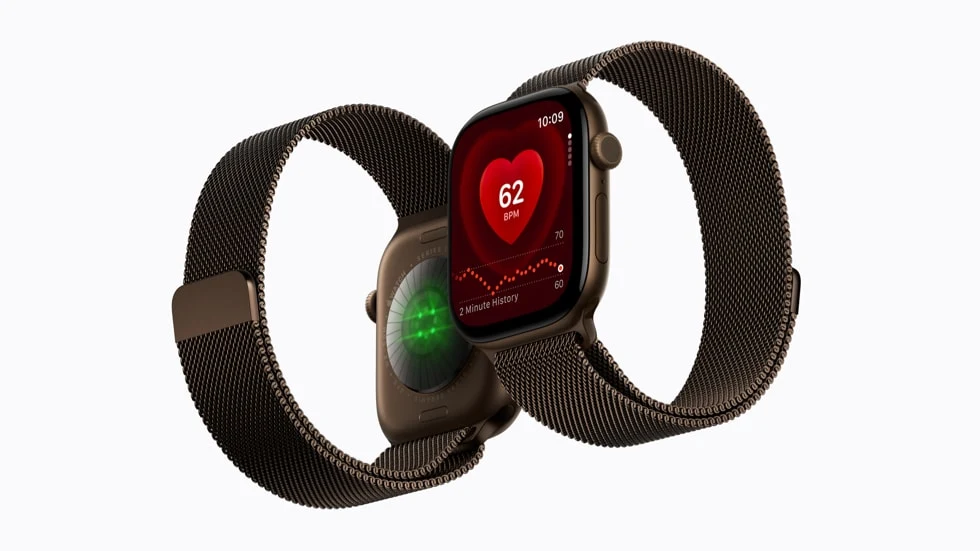
Apple Watch Series 12 vs Ultra 4 at a glance
| Question | Series 12 | Ultra 4 |
|---|---|---|
| Starting price | $399 | $799 |
| Everyday battery claim | Up to 24 hours | Up to 50 hours; 84 hours in Low Power Mode |
| Outdoor workout claim | Up to 10 hours | 25 hours with full readings; up to 45 hours in Max Extended mode |
| Shared headline features | S11 chip, Health Sensing System, five-second heart-rate sampling, more frequent HRV, readiness score | |
| Best fit | Everyday health, sleep, fitness and notifications | Long events, hiking, endurance training and rugged use |
The health upgrade is mostly shared
Apple’s launch story centers on the new Health Sensing System rather than an Ultra-only sensor. Both Series 12 and Ultra 4 use the S11 chip with redesigned optical and electrical heart sensors. Apple says they can measure heart rate every five seconds throughout the day and collect heart-rate variability data up to 24 times more frequently than before.
Those measurements feed readiness, which combines activity, training load, vitals, and sleep into a 0–10 score with recommendations such as Recover or Go For It. Apple says the score can change as new daytime information arrives.
This sounds useful for training and recovery decisions, but it remains a wellness signal rather than a diagnosis. Apple states that the Vitals app is not intended for medical use, and availability of ECG, sleep-apnea notifications, and other regulated functions can differ by country. Anyone managing symptoms or treatment should use clinical advice rather than a watch score.
Ultra 4’s real advantage is battery and GPS
Series 12 retains up to 24 hours of everyday battery life and increases Apple’s outdoor-workout estimate to 10 hours. A 15-minute charge is rated to add up to 12 hours. That suits daily use and many recreational workouts, but still requires a charging routine.
Apple rates Ultra 4 for up to 50 hours in everyday use, 84 hours in Low Power Mode, and 25 hours of outdoor tracking with full GPS and heart-rate readings. Max Extended Workout mode reaches 45 hours with once-per-second GPS sampling. A 15-minute charge can add up to 18 hours.
Apple also describes Ultra 4 as having its most accurate on-device GPS in a sports watch. That is a vendor claim based on Apple’s testing, not yet an independent field-test verdict. Route accuracy under trees, around buildings, in mountains, and during long races should be checked after reviewers can compare retail hardware.
What does the extra $400 buy?
The $400 premium buys the rugged titanium format, longer runtime, extended workout modes, and outdoor positioning focus—not a different readiness system. Ultra 4 makes the strongest case for endurance athletes and people who spend more than a day away from a charger.
Series 12 begins at $399 and comes in aluminum, titanium, and ceramic configurations, so premium materials can narrow the final price gap. Its aluminum cover glass is upgraded to Ceramic Shield 2, which Apple says is 60 percent tougher than the Ion-X glass used on earlier aluminum models. Buyers should compare the exact case, size, cellular option, and band rather than relying only on starting prices.
Siri AI and Audio Intelligence need patience
Both watches run watchOS 27 and are positioned to use Siri AI. Apple also previewed Audio Intelligence for remembering conversational moments and noticing important sounds, but it is scheduled for later in the year. Do not treat it as a day-one feature until availability and consent controls are documented.
The broader event coverage has focused attention on the watch’s listening capabilities. Privacy-conscious buyers should wait for the final software, examine on-device versus cloud processing, and review exactly when capture is active before enabling it.
Which Apple Watch should you buy?
- Choose Series 12 for the new health sensing, readiness score, daily activity, sleep tracking, and the lowest starting price.
- Choose Ultra 4 if 50-hour everyday battery, multi-day low-power use, long GPS workouts, or the rugged case solves a recurring problem.
- Keep your current watch if it already supports the health features you use and its battery still meets your routine. watchOS 27 supports Series 9 or later and Ultra 2 or later, though not every feature reaches every model.
- Wait for testing if heart-rate accuracy, GPS tracks, comfort during sleep, or real-world battery life is the deciding factor.
Price and release date
Apple Watch Series 12 starts at $399 and Ultra 4 starts at $799 in the United States. Both became available for pre-order on September 9 and are scheduled to reach stores on September 18 in more than 50 countries and regions. Final prices vary with case material, size, connectivity, and band.
Bottom line
Series 12 is the sensible default because Apple did not reserve the new Health Sensing System or readiness score for its most expensive watch. Ultra 4 is the specialist option: its battery and outdoor tracking can be essential for long events, but they are unnecessary overhead for a user who charges daily and exercises near home. Buy the Ultra for a demonstrated endurance need, not simply because it sits at the top of the range.